 The Dye StoreNatural color. Creative possibilities.
Dyes and chemical products are not for human or animal consumption
The Dye StoreNatural color. Creative possibilities.Dyes and chemical products are not for human or animal consumption
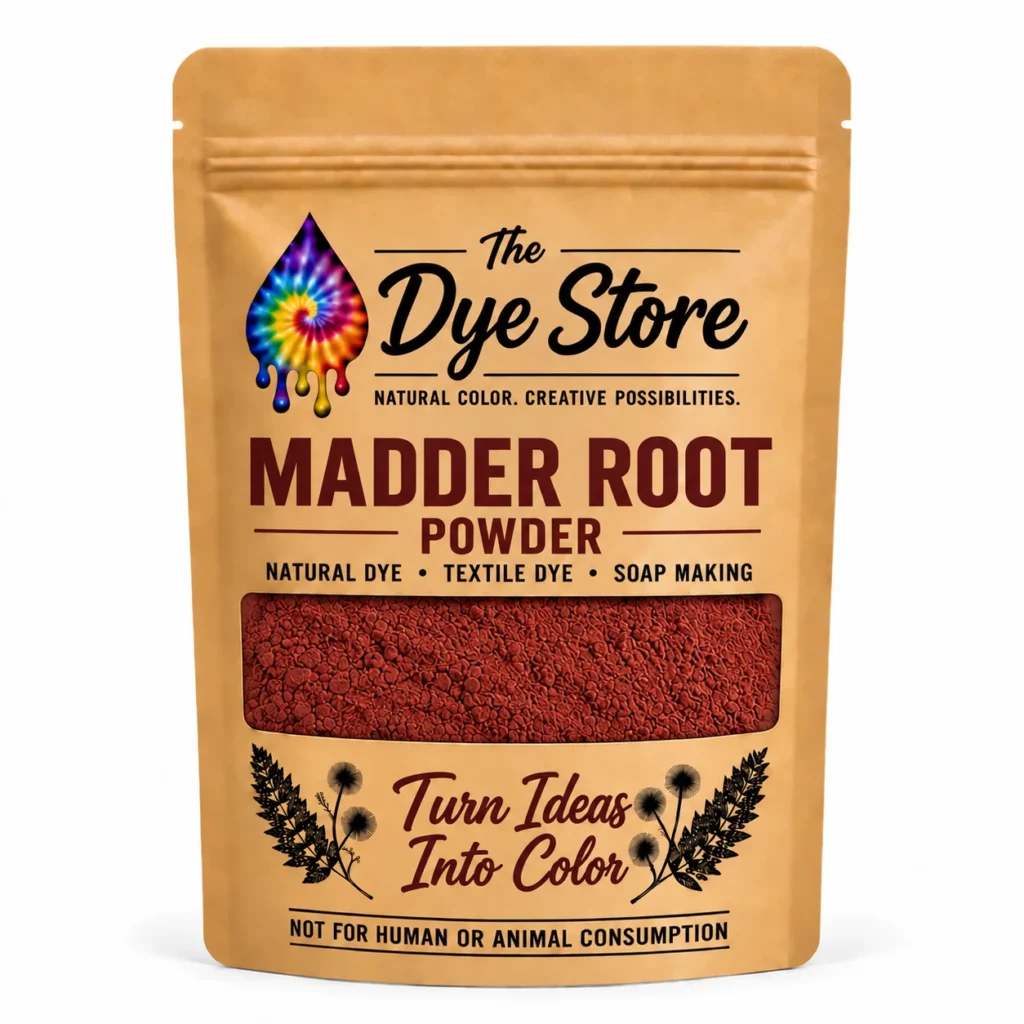
Create classic reds, brick reds, terracotta and warm orange-red shades. One of the world's most historically important natural textile dyes.
Select package size
Currently unavailable
Madder Root Powder is a botanical color material for natural textile dyeing, fiber arts and creative craft projects. It can produce soft pink, coral, brick red, terracotta and warm orange-red tones, with the final result depending on fiber type, preparation, concentration, water chemistry and dyeing method. Test a fabric sample before starting a larger project.
Use Madder Root natural dye powder with cotton, hemp, linen, silk and wool. Natural dyes respond differently to fiber preparation and process conditions, so scouring the material thoroughly and testing a small sample can help establish the direction of the finished color. Alum is commonly used, and keeping the dye bath below excessive heat helps preserve the clearer red tones associated with madder. Adjusting concentration and processing can produce lighter or deeper effects, while overdyeing and layering offer additional possibilities for custom palettes.
Because botanical materials and natural colorants can behave differently from batch to batch, one dye bath may show subtle variation from another. That variation is part of the character of natural dyeing and makes Madder Root natural dye powder useful for hand-dyed garments, yarn, fabric samples, textile work and experimental color studies. For repeat projects, keep notes on fiber weight, preparation, dye quantity, temperature and processing time.
Madder Root Powder is available in 50 g, 100 g and 250 g sizes for sampling, individual projects and larger dye sessions. Explore complementary colors below or browse the full Natural Dyes collection to compare materials and build a coordinated palette.
Explore with Madder Root Powder:
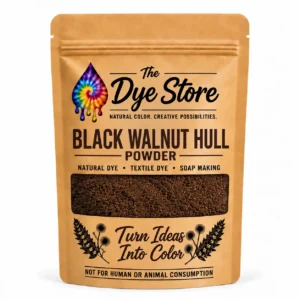
Black Walnut Hull Indigo Blue Shop All Natural Dyes Dyeing Tutorials
Start with a small fabric sample and record the dry fabric weight, amount of powder, preparation method and processing time. Label the finished sample so you can compare it with later batches. Keep notes on any changes to your method before scaling up to a larger piece.
Safety: Use appropriate protective equipment when handling dye powders and follow the directions for your chosen textile-dyeing method. Not intended for human or animal consumption.
No. The dye material and fiber determine the preparation. Follow a complete method rather than adding a mordant automatically.
Colors are approximate. Fiber, preparation, concentration, water chemistry and processing affect the final result, so test a swatch first.
Read the product label and safety data sheet. Select gloves, eye protection, ventilation and any respiratory protection specified for the material and task. Avoid creating airborne powder, use dedicated equipment, and keep materials away from children, pets and food. Store sealed, dry and according to the product instructions. Not intended for human or animal consumption.
Goes well with
Create your free account and we will email you a 10% off first-order coupon.
Create My AccountOne offer per customer. First purchase only.