The Dye StoreNatural color. Creative possibilities.

Dyes and chemical products are not for human or animal consumption

Turn Ideas Into Color

Spin or swipe the wheel, or use the arrow buttons. Press the red center button to open the selected section.

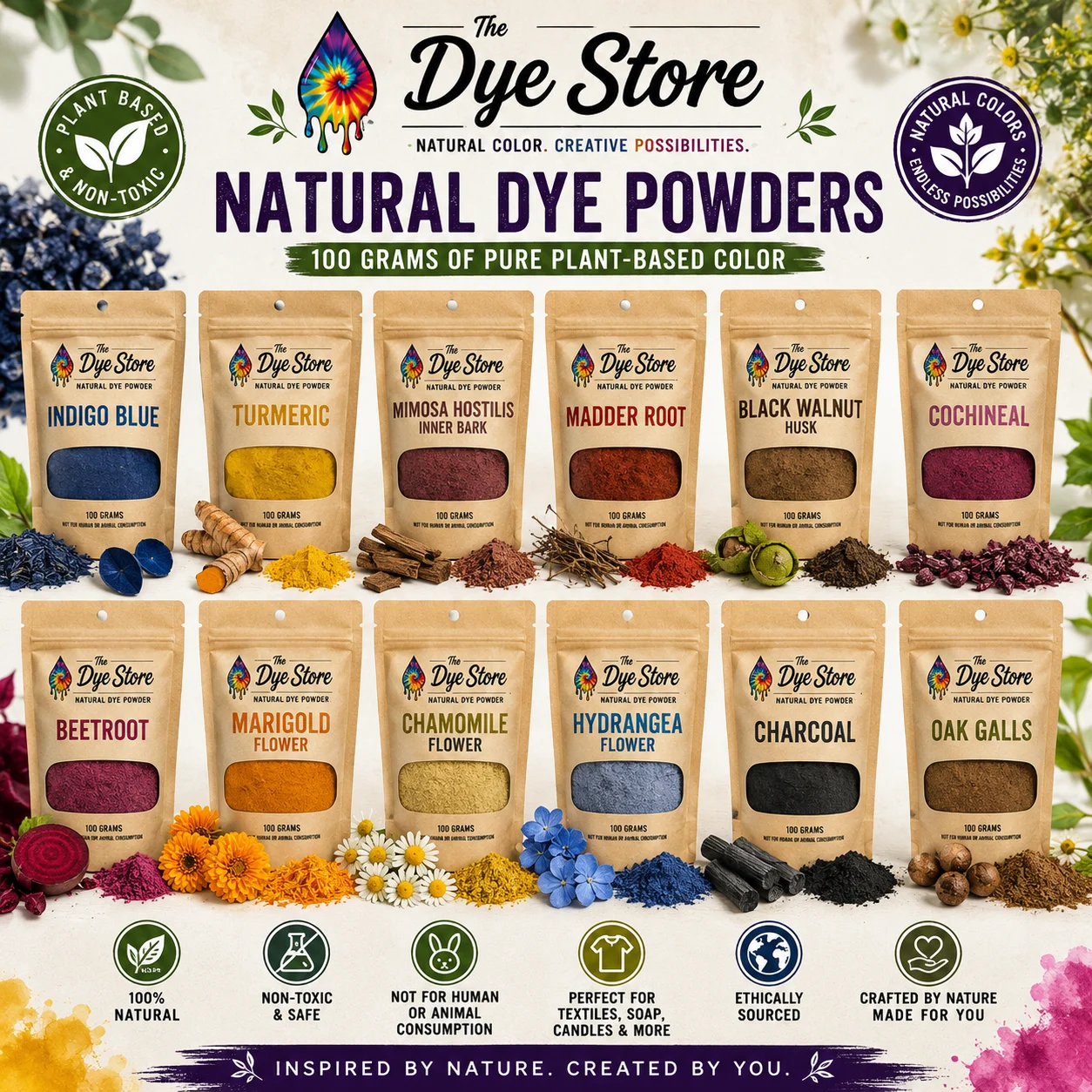
Explore Natural Dyes Shop all dyes & supplies →

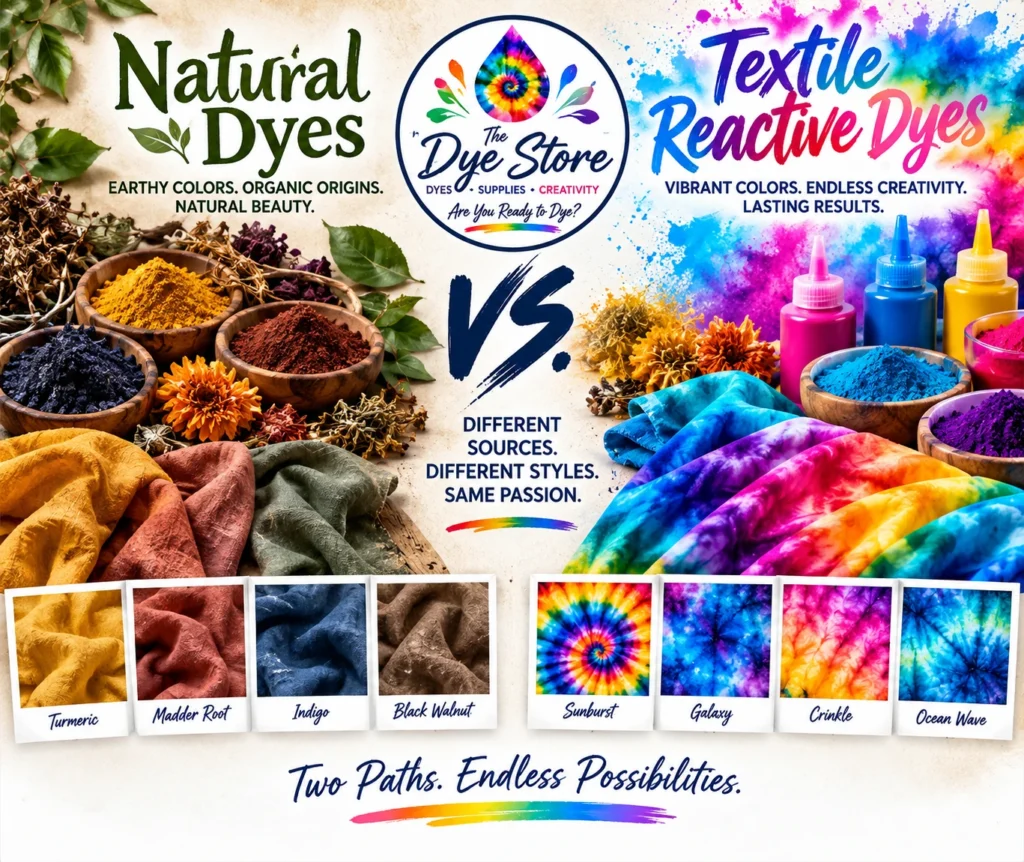
Natural Dyes selected

Dyes and chemical products are not for human or animal consumption

Learn to dye

Videos, written tutorials and reference guides. All free, no account needed. Start
with the beginner guide if you have never dyed anything before.

Watch the process start to finish on YouTube.

Natural dyeing videos

Tie-dye videos

Tips & tricks

Product how-tos

Written steps you can follow with wet hands.

Step-by-step tutorials

Techniques

Project ideas

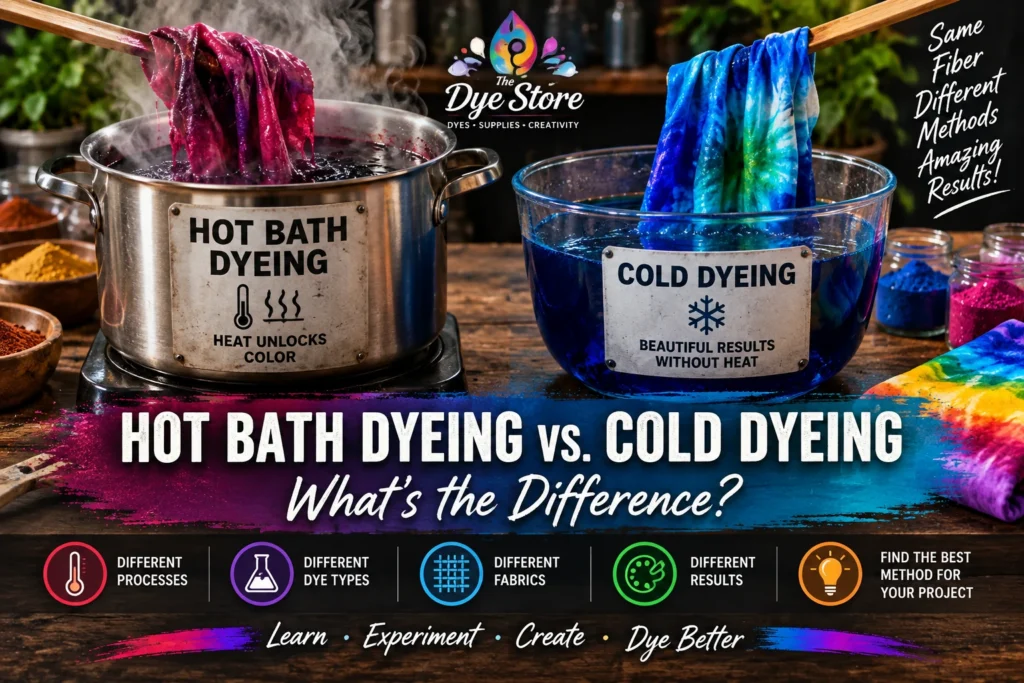
Dyeing methods

Troubleshooting

Featured tutorial

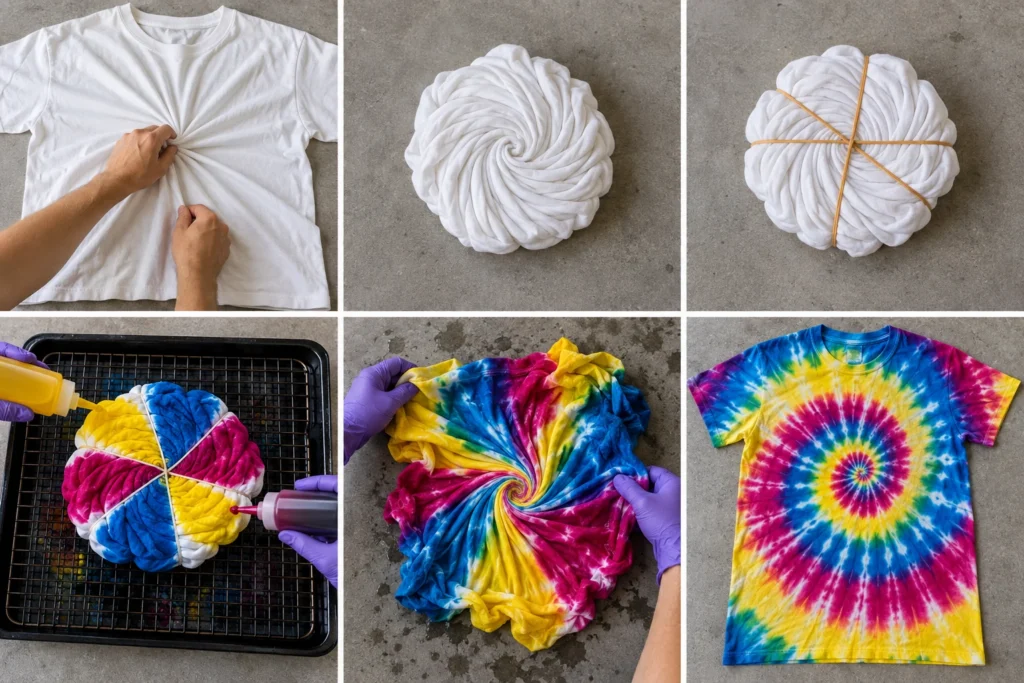
Five tie-dye techniques, one page

Spiral, bullseye, crumple, stripes and heart patterns, with illustrated folding, dye placement and washout steps.
Illustrated guide to 15 tie-dye patterns, including spiral, bullseye, stripes, heart and double spiral.
Video tutorials — preview

More tie-dye folding guides

Step-by-step video tutorials

Watch instructional videos on this page

Open a video below to play it here, or use the existing cards to watch on YouTube. Captions are available through the player where supported. These videos are separate overviews; follow the current written guide and supplier instructions for your dye and fiber.

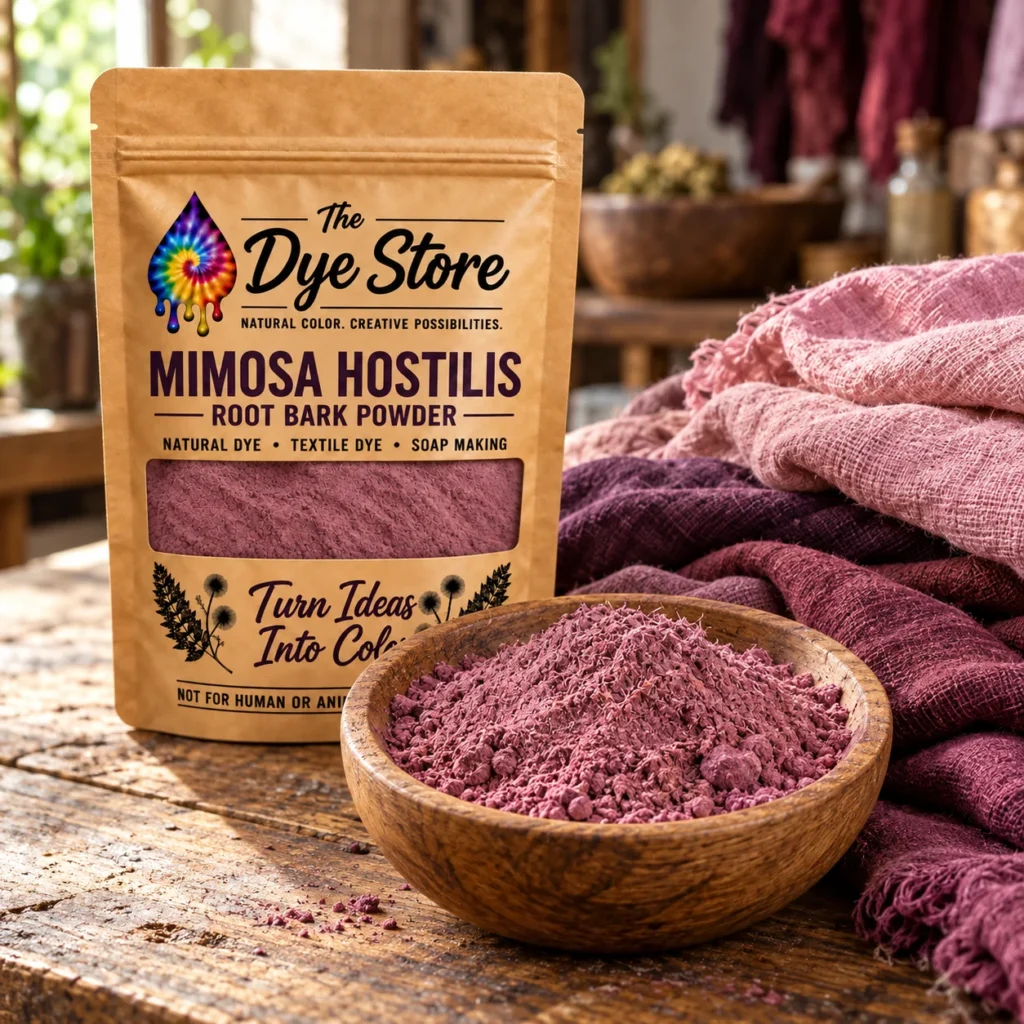
Dyeing Textiles with Natural Mimosa Hostilis Inner Root Bark Powder (instructional video) (2:13)

Watch on YouTube and access captions

Tie dying with textile reactive dyes (Tutorial) (3:04)
Read the textile reactive dye text companion

This reviewed text companion summarizes the process for cotton and other cellulose fibers; it is not a verbatim transcript. Use the directions supplied with your specific dye for quantities, temperature and batching time.

  1. Prewash the fabric to remove finishes and skip fabric softener.
  2. Prepare the soda ash treatment and mix the dye according to the supplier's instructions. Keep powders away from food and use appropriate protective equipment.
  3. Fold or bind the damp fabric into a spiral, bullseye, accordion stripe or crumple, then apply color to reach both sides and the folds.
  4. Keep the bundle damp and allow the supplier's recommended warm batching time.
  5. Rinse and wash out excess dye using the recommended sequence, then dry and wash separately for the first washes.

See Dharma's supplier instructions for its Procion MX process. Explore our textile reactive dyes and soda ash.

Watch on YouTube and access captions

Tie-Dye Techniques (tutorial) (2:56)

Watch on YouTube and access captions

Tie dye basic techniques ( tutorial) (2:03)

Watch on YouTube and access captions

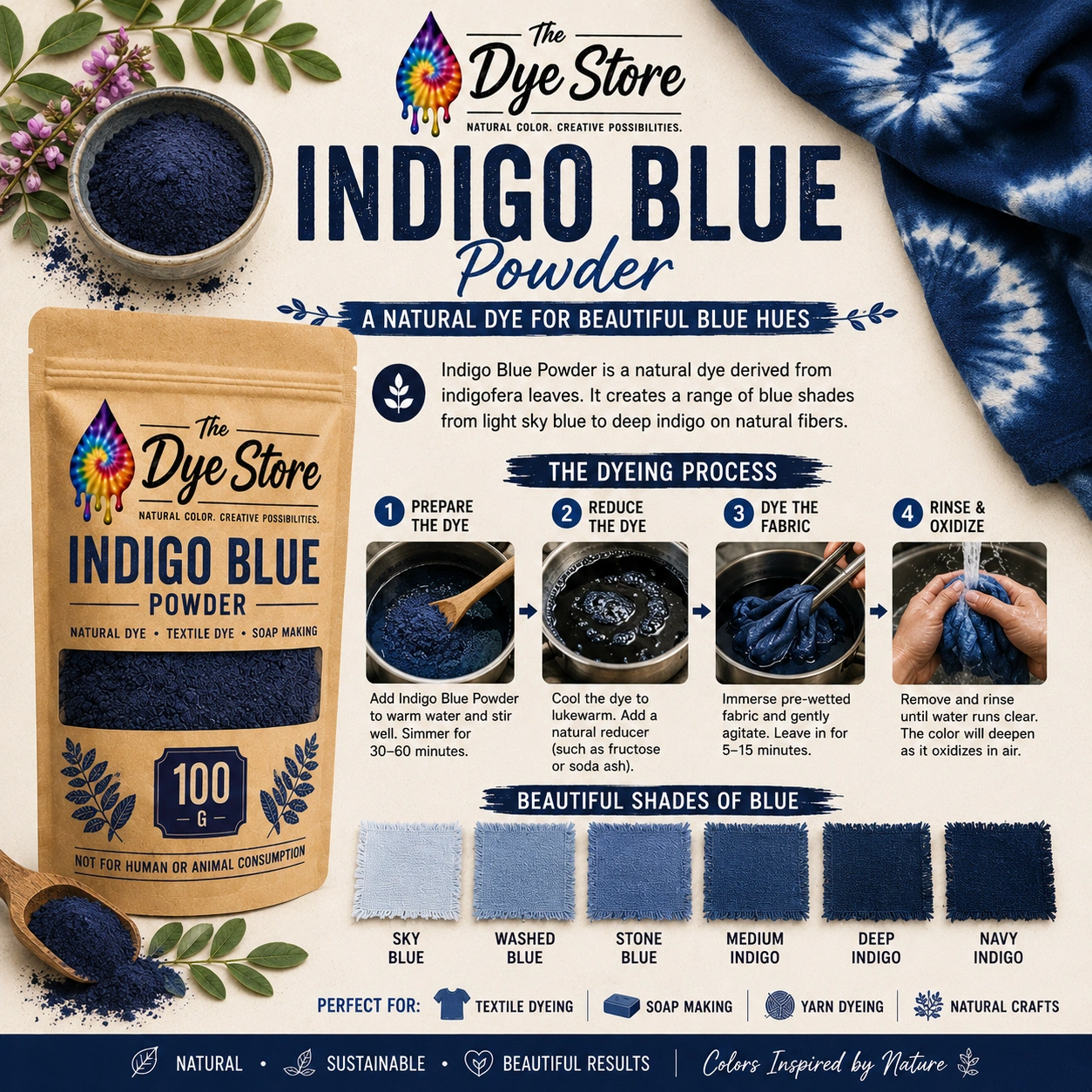
Dyeing Textiles with Natural Indigo Blue Powder (instructional video) (3:04)

Watch on YouTube and access captions

Overview of our store (4:55)

Watch on YouTube and access captions

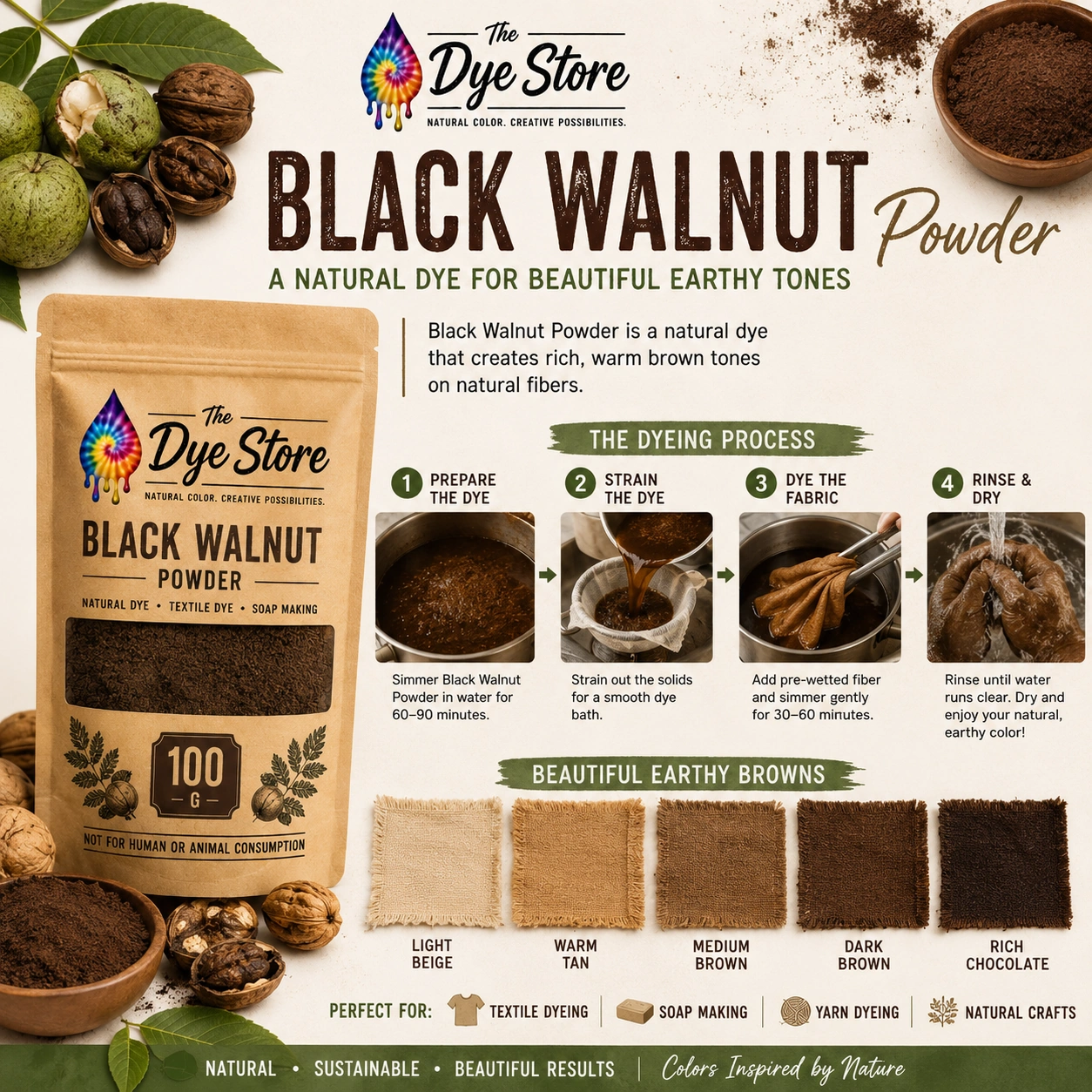
Dyeing Textiles with Natural Black Walnut Powder (instructional video) (2:08)

Watch on YouTube and access captions

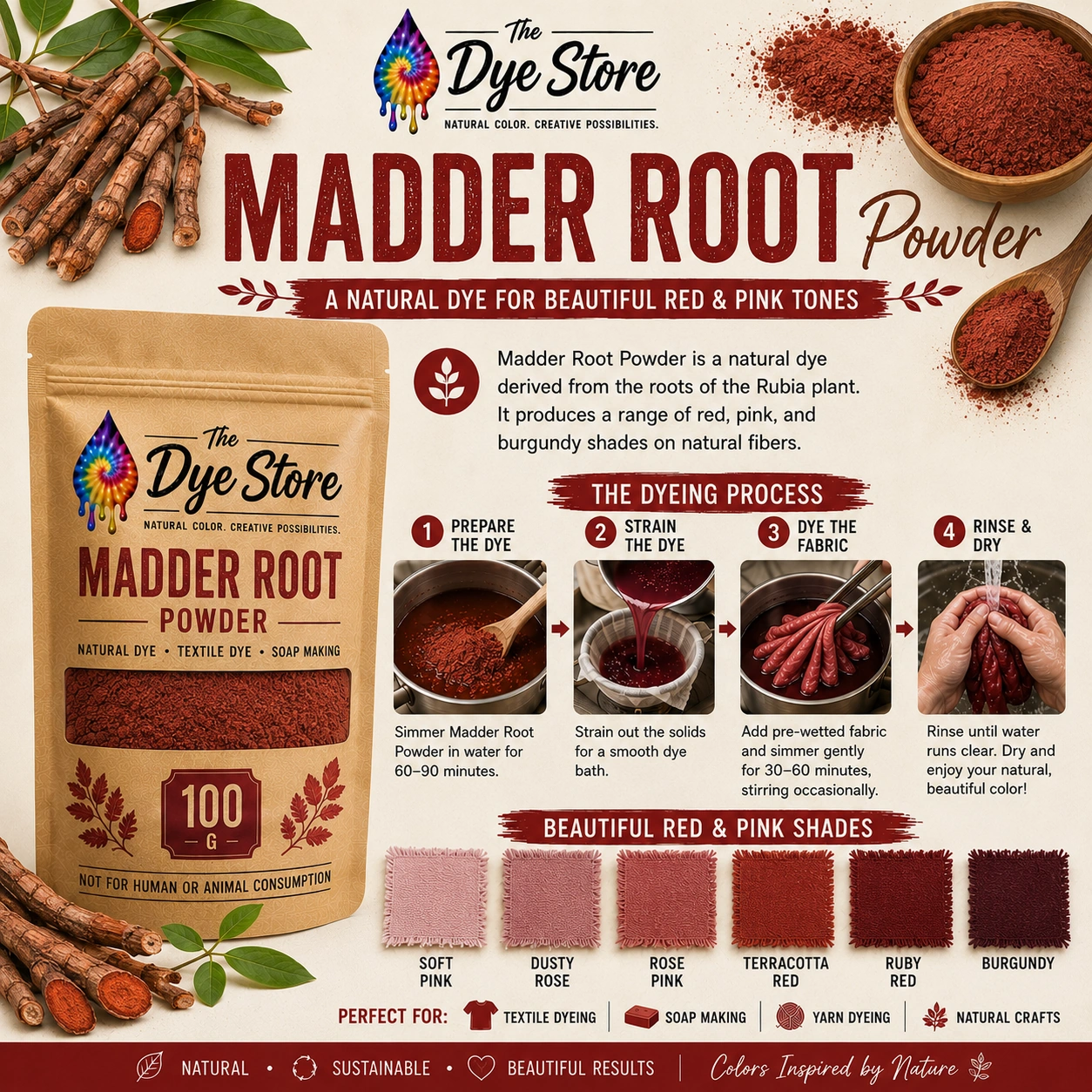
Dyeing Textiles with Natural Madder Root Powder (instructional video) (4:20)

Watch on YouTube and access captions

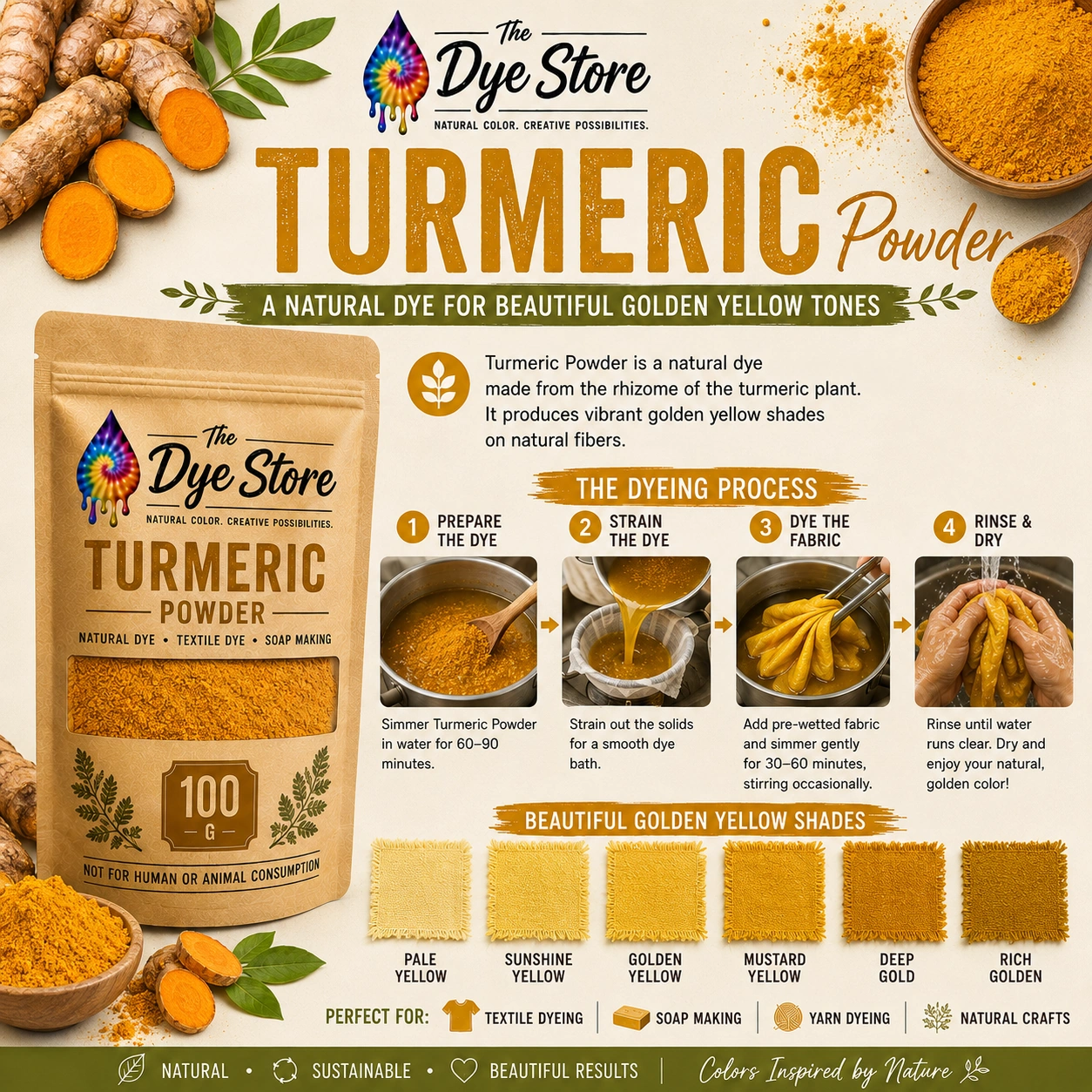
Dyeing Textiles with Natural Turmeric Powder (instructional video) (2:24)

Watch on YouTube and access captions

Dyeing Textiles with Natural Charcoal Powder (instructional video) (2:21)

Watch on YouTube and access captions

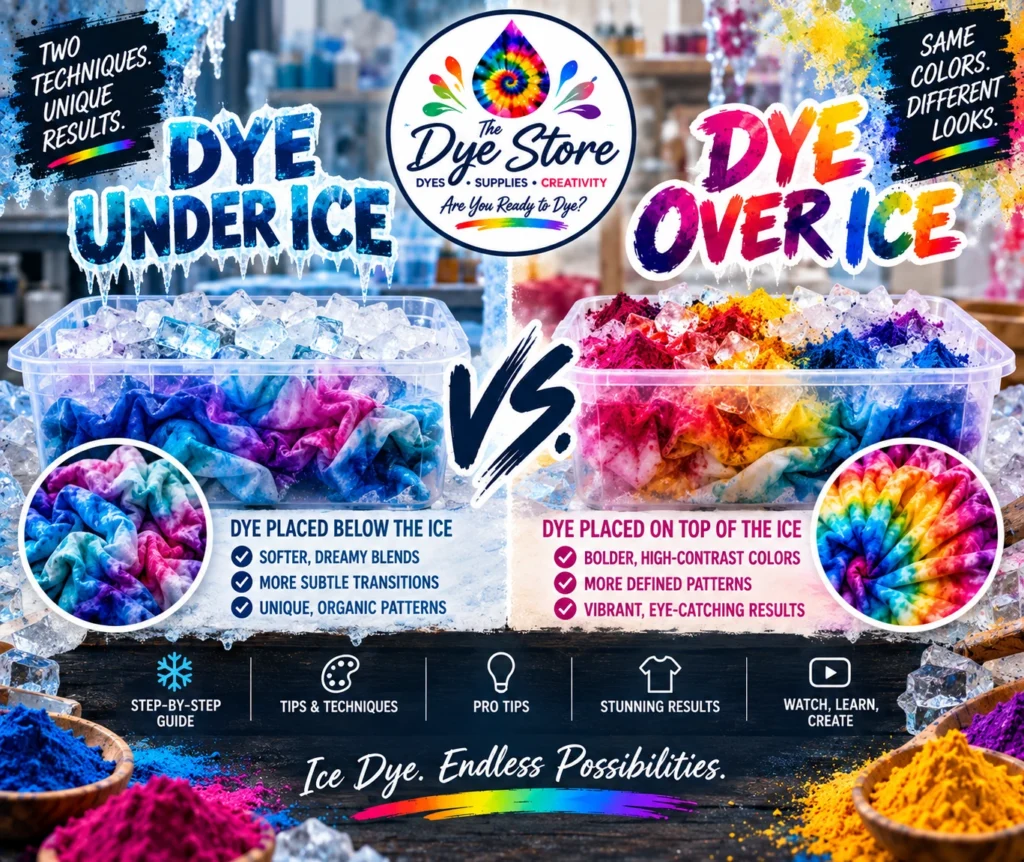
Ice Dye Easy Tutorial (3:16)

Watch on YouTube and access captions

Explore instructional videos and illustrated overviews from our YouTube channel.

See all videos on YouTube

Ice Dye Easy Tutorial — automatic transcript

Source: English auto-generated YouTube captions. Caption text is reproduced as exported and may contain recognition errors, including the opening store name and technical terms. This is a record of the video narration, not a corrected recipe. Follow the dye manufacturer’s instructions and safety information; see our written dye-under-ice versus dye-over-ice guide for current guidance.

0:00 Welcome to the Dharma Store Studio Handbook. This is ice dye with synthetic fiber reactive powders. The same workshop rhythm as natural dye. Scour the cloth, give the chemistry time, rinse with patience. The color source is different. Ice dyeing is a cold process. You pile ice on prepared natural fiber cloth, sprinkle dry Procion MX powder over the ice, and wait. As the ice melts, water dissolves the powder in tiny pulses and carries pigment through

0:27 folds. Most fashion colors are blends. Those components travel at different speeds. That is the split. A jar labeled purple can bloom into magenta, navy, and lilac on the same shirt. These powders are studio chemicals, not kitchen spices. Wear a tight N95 whenever a jar is open. Wear nitrile gloves. Keep dye tools out of the kitchen. Soda ash is sodium carbonate, not baking soda. Baking soda will not fix the dye. You need white cotton, linen, or rayon.

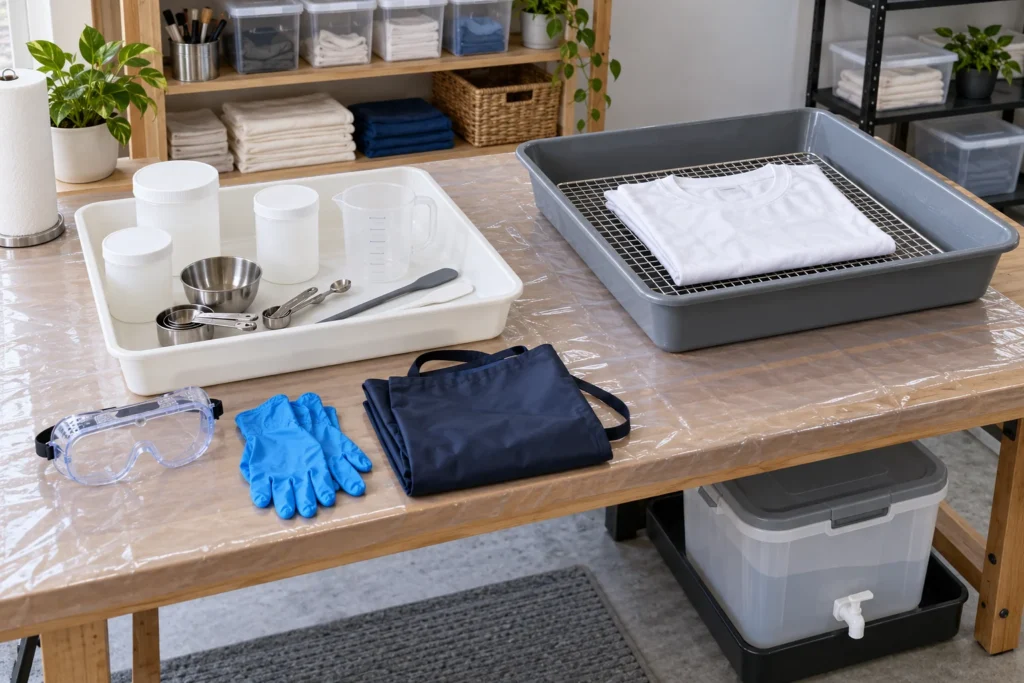
0:57 Fiber reactive powder, soda ash, ice, a tub, and a wire rack that sits above the melt. Plastic spoons, a tarp, and a detergent with no fabric softener. Read the label. Cellulose takes this dye. Cotton, linen, hemp, rayon, Tencel. Silk can work, but test a scrap. Polyester, nylon, and spandex heavy knits will stay almost white. Pick two or three jars, not five. Pure primary stay themselves. Mixed heels, purples, and blacks unmix on ice. That is desirable. Keep sister

1:30 colors next to each other if you want them to blend. Keep enemies apart if you want them clean. Start stingy. A quarter to a half teaspoon of each color already shows on a T-shirt. Two layouts. Dye over ice is the default. Pile ice, then sprinkle. Softer watercolor, more white left in the valleys. Dye under ice puts powder on the cloth first, then buries it. Darker cores, sharper speckle. Step one, wash the cloth hot with a plain detergent, no softener. Step two,

1:59 dissolve one cup of soda ash in one gallon of warm water. Step three, soak 20 to 30 minutes. Ring to damp, not dripping. Step four, tarp, tub, rack. Leave air under the cloth so melt water can fall away. Step five, scrunch for clouds, fold for stripes, twist for a spine. Keep it damp. Step six, cover every area you want colored with ice. Uncovered cloth stays pale. An 8 to 10 lb bag covers a shirt. Step seven, mask on. Open one jar at a time. Tap powder

2:31 from a dry spoon. Step eight, tent the tub with plastic. Let the ice melt, then leave the cloth wet for 18 to 24 hours above about 70°. The bond happens after the ice is gone. Rinse cold first, unfolding as you go, until the water is only faintly tinted. Then wash hot, alone, with a dyer's detergent. Dry in the shade, wash once more before you gift it or sit on pale upholstery. Write the recipe down. Mook's jars split differently by lot, ice, and fold.

3:02 Photograph the pile before it melts. That photograph is the only map you will have when the splits surprise you. This is the dye store. Ice dye with fiber reactive powders. Bright color, overnight patience, no two pieces match.
Cart0 View Cart0